
Keeping your denture in good condition is essential for maintaining comfort, confidence, and oral health. Over time, even the best dentures wear down or stop fitting the way they should. Because these changes often happen gradually, many people don’t realize their denture is due for a replacement until discomfort becomes hard to ignore. Understanding the early signs can help you take action sooner and avoid unnecessary irritation or complications.
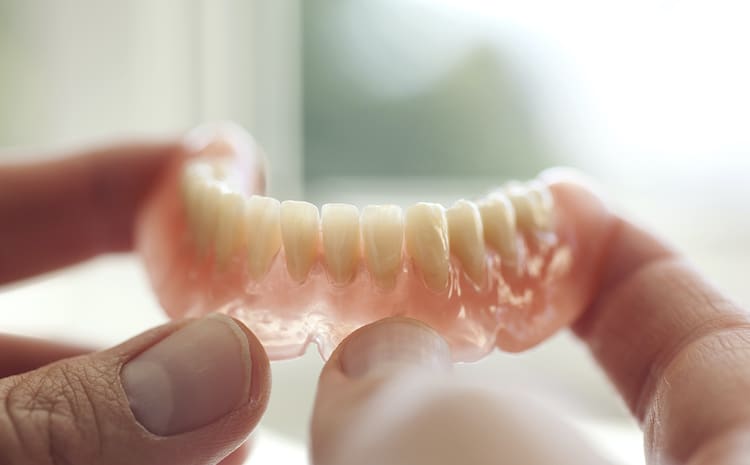
Changes in Fit and Comfort
One of the clearest signs that you may need a new denture is a noticeable change in how it fits. Your mouth continues to change even after teeth are removed. The bone and gum tissues naturally shrink and reshape over time, and this can cause a once-snug denture to become loose. If you find yourself adjusting your denture throughout the day or relying heavily on adhesive, your denture may no longer be the correct shape for your mouth.
A poor fit can also lead to sore spots, redness, or discomfort when chewing. These symptoms usually indicate that the denture is rubbing in areas where it shouldn’t. Small adjustments can sometimes fix these issues, but if your denture has already been relined multiple times or the shape of your mouth has changed significantly, it may be time for a replacement.
Difficulty Eating or Speaking
Dentures are meant to help you bite, chew, and speak with ease. When a denture no longer fits properly, these basic functions can become challenging. If you begin avoiding certain foods because of slipping or discomfort, or if you notice your speech becoming unclear or “muffled,” your denture may not be doing its job.
Speaking difficulties often show up gradually. You might start hearing clicking noises when you talk, or you may feel your denture shift during conversations. These changes can be frustrating and may lead to embarrassment in social situations. A well-fitting denture should feel secure and allow you to speak naturally without concern.
Visible Wear and Damage
Like natural teeth, dentures experience wear and tear. Over time, the artificial teeth may become flat or smooth, reducing your ability to chew effectively. The pink acrylic portion of the denture can also crack, chip, or warp. Even small fractures can weaken the structure and lead to bigger breaks later. If you notice staining that no longer cleans off, discoloration, or signs of deterioration, your denture may be aging beyond repair. Regular professional examinations can help detect these issues before they turn into emergencies.
Gum and Oral Health Problems
A worn or ill-fitting denture doesn’t just cause discomfort. It can affect the health of your gums and the rest of your mouth. Persistent irritation, swelling, or frequent sores may indicate that your denture is placing too much pressure on certain areas. Some people also experience frequent mouth infections, such as denture stomatitis, when their denture is no longer fitting correctly. Your gums and underlying bone can also change more rapidly when a denture is unstable. A new denture made to fit your current anatomy can reduce these problems and help preserve your oral structures.
Changes in Your Appearance
A denture plays a major role in supporting your facial muscles. When it no longer fits, you might notice changes in your appearance, such as sagging cheeks, a sunken look, or changes in your jawline. These signs often occur gradually, but they can affect your confidence and contribute to an aged appearance. A new denture designed to fit your updated anatomy can help restore facial support and bring back a more youthful, natural look.
Denture Care in Plano, TX
At Signature Dentistry, we are dedicated to helping you preserve your oral health and quality of life. If your denture isn’t functioning as it should, don’t hesitate to reach out. Contact our office today and schedule a consultation to help ensure your bite is effective and comfortable.